HDHMR and BWP plywood serve different purposes in home interiors, so the right choice depends on where the material will be used. HDHMR works well for wardrobes, TV units, study tables, wall panelling, and decorative shutters because it offers a smooth finish and handles everyday moisture. BWP plywood is better suited for kitchens, bathrooms, utility areas, and under-sink cabinets because it offers stronger water resistance. For long-lasting interiors, homeowners should match the material to the room’s moisture exposure, usage, and durability needs.
Most homeowners spend weeks choosing laminates, colours, handles, and finishes. After all, those are the things you'll see every day. The board inside your wardrobe or kitchen cabinet? That usually gets decided in a five-minute conversation. And yet, that's the material doing most of the heavy lifting.
If you've started speaking to interior designers, you've probably heard two names come up repeatedly: HDHMR and BWP plywood. Each is designed for a different purpose, and choosing the wrong one can affect how your furniture performs years down the line.
So, when comparing HDHMR vs BWP, think about where it'll be used and how frequently.
The HDHMR full form is High-Density High Moisture Resistance. It's an engineered board made by compressing wood fibres with specialised resins under high pressure. That process creates a dense, uniform board that's smooth to machine and resistant to everyday moisture.
On the other hand, BWP works differently. BWP ply stands for Boiling Waterproof Plywood. Instead of compressed fibres, it's built using multiple hardwood veneers bonded together with waterproof resin. The result is plywood that continues performing even in spaces where moisture is a common part of daily life.
| Feature | HDHMR | BWP Plywood |
|---|---|---|
| Material | Engineered board | Hardwood plywood |
| Water resistance | High | Excellent |
| Strength | High | Very high |
| Surface finish | Very smooth | Depends on the veneer quality |
| Screw holding | Good | Excellent |
| Cost | More budget-friendly | Premium |
| Best suited for | Wardrobes, TV units, shutters | Kitchens, bathrooms, utility areas |
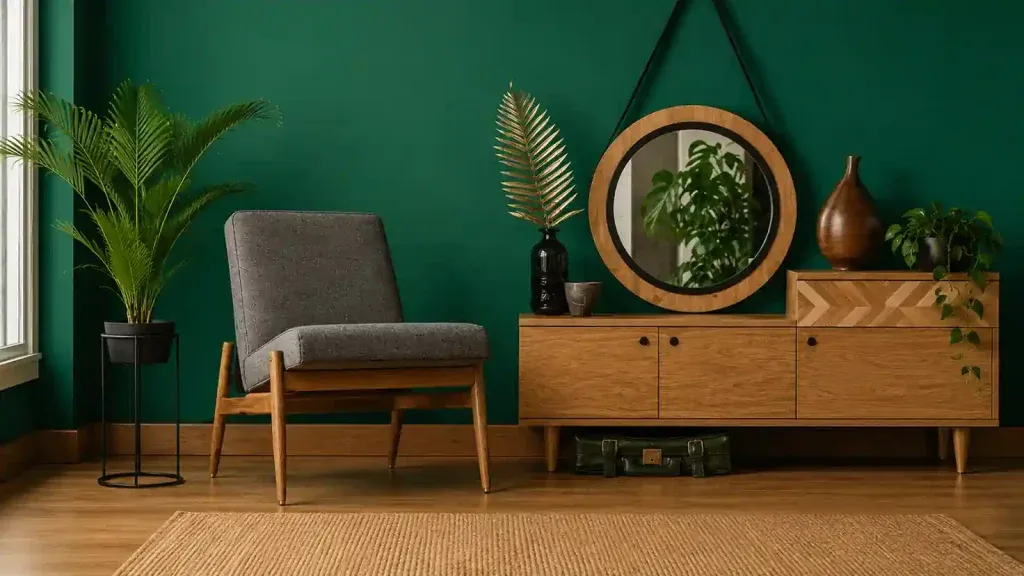
HDHMR has become increasingly popular for modular interiors. It gives designers a very consistent surface to work with. Whether you're applying laminate, acrylic, PU paint, or veneer, the finish usually looks clean because the board itself is uniform throughout.
That's why you'll often find HDHMR inside wardrobes, bedroom storage, TV units, study tables, wall panelling, and decorative shutters. These spaces don't face constant water exposure. Additionally, HDHMR offers the durability to remain stable for everyday use, and minor moisture exposure won't damage it.
People often compare HDHMR vs plywood, assuming they're direct substitutes, but they are not. If your priority is achieving a premium finish with good dimensional stability, HDHMR is often the better choice.
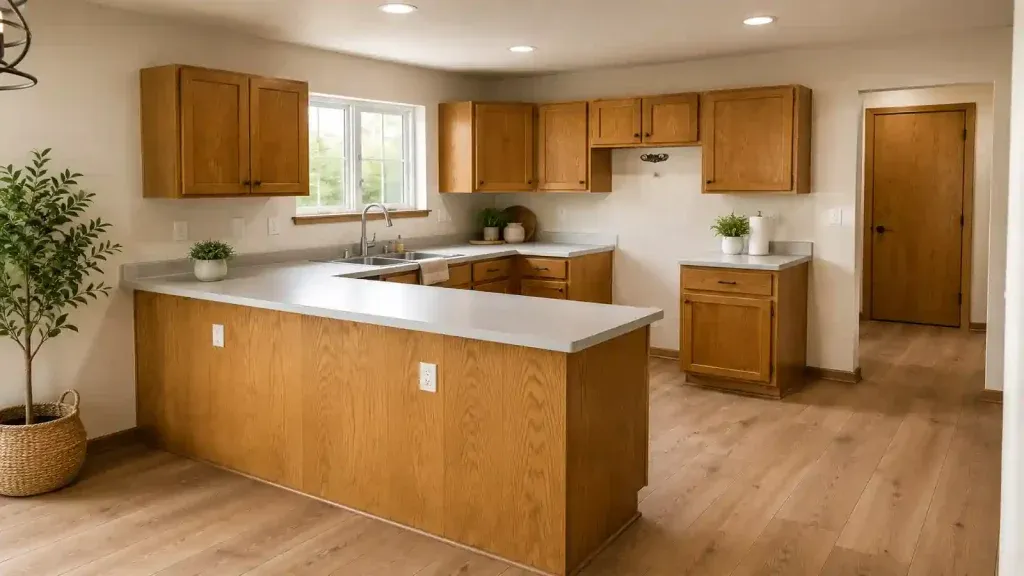
BWP plywood is the best choice for any area that is constantly exposed to moisture. Minor plumbing leaks, water spills, steam, and cleaning products can quickly overwhelm HDHMR boards. On the other hand, BWP plywood is built to withstand and thrive even in harsh conditions.
Because it's manufactured using waterproof adhesives and hardwood veneers, it handles prolonged exposure to water far better than standard boards. That's why experienced designers almost always recommend it for kitchen base cabinets, under-sink units, bathroom vanities, utility storage, and laundry areas.
There is no one right answer to this question. If you're designing wardrobes, bedroom furniture, entertainment units, or decorative wall panelling, HDHMR delivers exactly what most homeowners need.
However, if you're building a modular kitchen or cabinetry that's likely to be exposed to regular moisture, BWP plywood is the safer long-term investment. Trying to use one material everywhere often sounds simpler on paper than it is in real life.
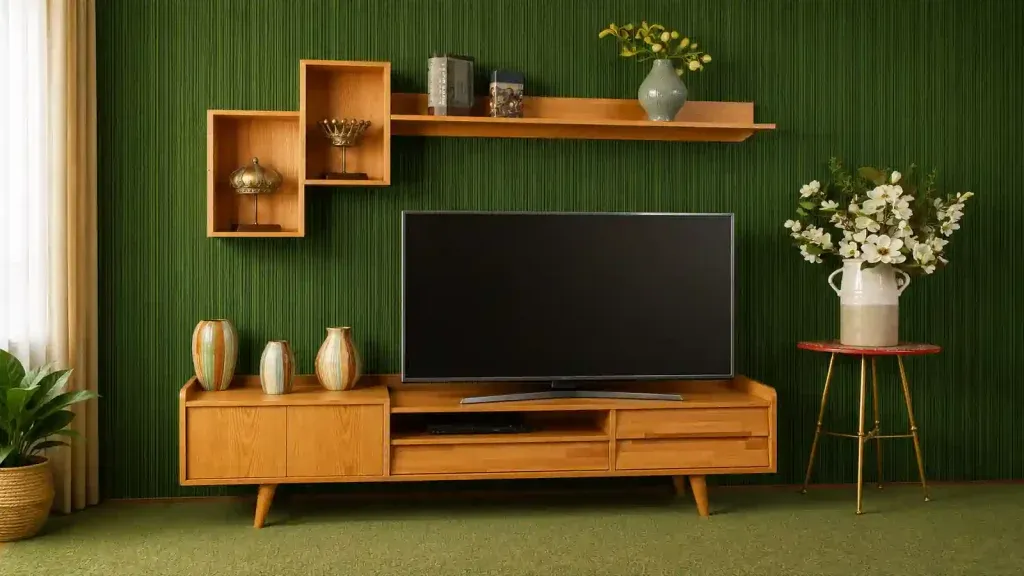
Instead of asking which board is superior, match the material to the room. Here's a simple way to think about it:
Making these decisions early usually saves homeowners from expensive repairs later.
At Bonito Designs, every recommendation begins with the following questions: How will this space be used? Will it deal with moisture? Does it need additional strength? Is the homeowner looking for long-term durability or a particular finish?
That's the thinking behind the LifeDesign philosophy. Instead of applying the same specification across every room, Bonito selects materials based on function, lifestyle, and everyday use. When you're comparing HDHMR vs BWP, the right answer is to choose the right material for each space.
If you want your furniture to remain beautiful years after it is built, then consider booking a consultation with Bonito Designs!

Explore bedroom furniture design essentials, from beds and wardrobes to bedside tables, dressers and smart storage ideas for every room size.
11 Sept 2026|5 min readExplore 10 romantic bedroom colours, from burgundy and plum to forest green and taupe, with practical tips to create a cosy, intimate bedroom.
07 Sept 2026|5 min readUnderstand kitchen renovation cost factors for Mumbai and Bangalore homes, from cabinetry and finishes to appliances, services, and site requirements.
07 Sept 2026|5 min readPlan your living room furniture design with practical tips for choosing sofas, tables, rugs, storage and layouts that suit the way your household lives.
10 Sept 2026|5 min readDiscover how texture adds depth, warmth, and visual interest to interior design. Explore expert ideas to create stylish, layered spaces with Bonito Designs.
08 Sept 2026|5 min readDiscover 10 practical wall decoration ideas, from gallery walls and wallpaper to mirrors, panelling and greenery, that can completely transform a room.
27 Aug 2026|5 min read


Your Home Makeover Starts Here.